

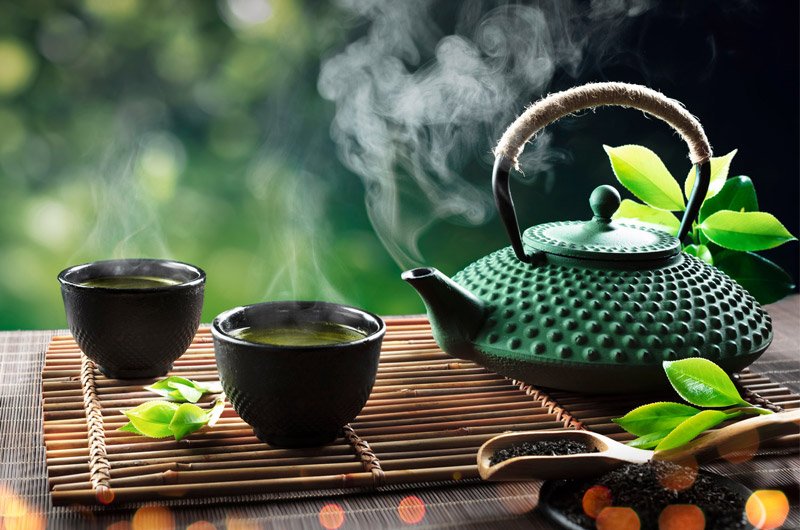
Tea is more than just a comforting drink it’s a journey from leaf to cup, a delicate balance of science, tradition, and artistry. At Tara’s Teas, our tea masters carefully process each leaf to deliver rich flavor, enticing aroma, and a perfect brewing experience. In this guide, we’ll take you step by step through the tea-making journey from plucking the leaf to savoring your favorite cup.
The Origins of Tea
Tea comes from the Camellia sinensis plant, cultivated for centuries across China, India, and beyond. Each variety black, green, oolong, or white offers a unique flavor profile, influenced by how the leaves are harvested and processed.
At Tara’s Teas, tradition meets quality. We source only the finest leaves, ensuring that every cup reflects the care, craftsmanship, and sustainability practices that make our teas special.
Step 1: Withering
Once the tea leaves are plucked, they begin a series of natural reactions. One key process is the evaporation of moisture, which softens the leaves. This step, called withering, prepares the leaves for shaping while concentrating the flavors and aromas.
This initial stage is critical in teas like Assam Tea and Autumn Morning, where the leaf’s texture and flexibility directly impact the final brew.
Step 2: Rolling
After withering, the limp leaves are rolled. Rolling gives tea its shapewhether straight, curled, or formed into a ball. For oolong and black teas, rolling also ensures uniform oxidation, which influences the strength and character of the tea.
The rolling process breaks up the leaves, creating different sizes that contribute to the texture and infusion quality. Signature blends like Earl Grey Creme Tea and Masala Chai rely on precise rolling to release their distinct flavors.
Step 3: Oxidation
When tea leaves are damaged during rolling, they undergo oxidation, a chemical reaction that turns the leaves brown or black. The speed of this process determines the tea’s taste:
- Faster oxidation = more astringent, brisk teas
- Slower oxidation = mellow, smooth teas
Contrary to popular belief, many people confuse oxidation with fermentation, even though microbes play no role. This stage plays a crucial role in teas like Irish Breakfast Tea and Chocolate Chai, as oxidation naturally develops their rich, layered flavors.
Step 4: Firing (Drying)
The final step is firing, which dries the leaves to around 3% moisture. While tea was traditionally dried over charcoal, modern tea makers mostly use ovens, which lock in freshness, aroma, and flavor.
Drying preserves teas like Fresh Squeezed Green Tea, Chamomile Herbal Tea, Assam Tea, and delicate blends like White Peach Tea, ensuring every cup tastes exactly as intended.
Blending and Specialty Teas
After processing, tea masters blend the leaves with herbs, fruits, or spices to create unique flavors. At Tara’s Teas, they craft every blend from Banana Nut Honeybush Tea to Wedding Cake Tea to deliver a consistent and flavorful experience.
Natural flavoring ensures that your tea is pure and wholesome, giving you a relaxing or invigorating experience depending on the blend.
Brewing the Perfect Cup
Even the finest tea leaves need proper brewing to shine. Here are some general tips:
- Water Temperature: Green teas require slightly cooler water than black teas.
- Steeping Time: Follow instructions specific to each blend for optimal taste.
Tara’s Teas recommends steeping our teas for just the right time to release maximum flavor, whether it’s a soothing Chamomile Herbal Tea or an energizing Masala Chai.
What are the main steps in making tea?
- Withering: Reduces leaf moisture and softens leaves.
- Rolling: Shapes the leaves and prepares them for oxidation.
- Oxidation: Leaves turn brown/black, developing flavor and aroma.
- Firing (Drying): Locks in freshness by reducing moisture to ~3%.
- Blending: we add herbs, spices, or fruits to create specialty teas
Tara’s Teas carefully follows this process to craft flavorful, high-quality blends.
How long does it take to make tea?
- Withering: 4–12 hours depending on tea type
- Rolling & Oxidation: 1–3 hours
- Firing/Drying: 15–45 minutes
- Blending & Packaging: Varies by product
FAQ‘s
Tara’s Teas delivers high-quality, ethically sourced blends that honor tradition, enhance flavor, and promote wellness. Explore our collections here.
Oxidation occurs as a chemical reaction when air contacts tea leaves, while fermentation happens through microbial activity. Many black and oolong teas rely on oxidation for flavor.
Green teas: Steep 2–3 minutes at 180°F
Black teas: Steep 3–5 minutes at 212°F
Herbal teas: Steep 5–7 minutes as noted on product packaging recommendations
Yes! In fact, many high-quality teas, such as Fresh Squeezed Green Tea, allow you to steep them 2–3 times, and the flavor evolves with each infusion.
Our tea masters hand-select and craft each blend to ensure consistent taste, rich aroma, and lasting wellness benefits.. Specialty blends includeMasala Chai, Banana Nut Honeybush Tea, andWedding Cake Tea.
Experience Tara’s Teas
From carefully plucked leaves to beautifully blended specialty teas, every step in tea-making matters. Tara’s Teas delivers high-quality teas that honor tradition, enhance flavor, and promote wellness.
Explore our full range of teas:
- Assam Tea
- Autumn Morning
- Banana Nut Honeybush Tea
- Chamomile Herbal Tea
- Chocolate Chai
- Earl Grey Creme Tea
- Fresh Squeezed Green Tea
- Fruits of Summer Tea Green Rooibos
- Irish Breakfast Tea
- Masala Chai
- Wedding Cake Tea
- White Peach Tea
Savor the journey from leaf to cup and enjoy the rich, handcrafted flavors of Tara’s Teas Shop today.