

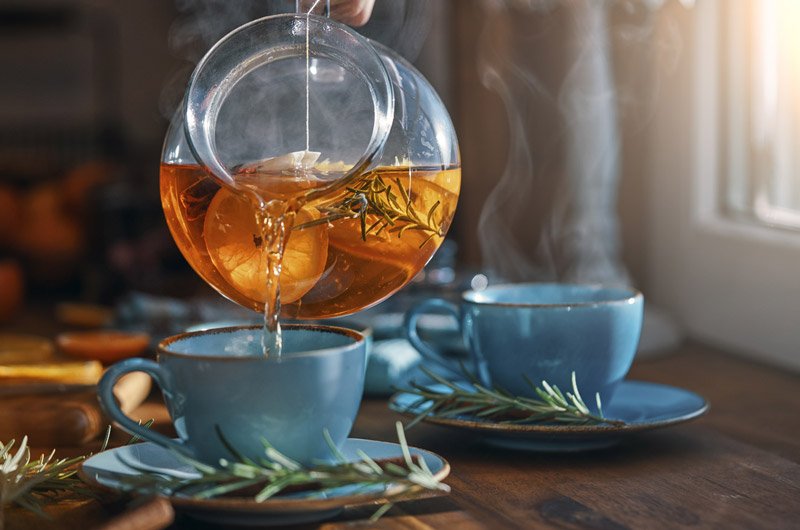
Tea is more than a drink—it’s an experience of aroma, flavor, and texture. Understanding tea descriptions helps you choose the perfect cup and appreciate the subtle nuances of each blend. With Tara’s Teas, every cup is a rich sensory experience, from aromatic black teas to delicate herbal infusions.
In this guide, we’ll explore key tea terms, how to identify flavors, and tips to enhance your tasting experience.
What is Aroma in Tea?
Q: What does aroma mean in tea?
A: Aroma is the smell or “nose” of tea. It is one of the most prized aspects and influences the flavor experience. For example, Earl Grey Creme Tea has a distinct vanilla with underlying citrusy aroma.
What is Astringency in Tea?
Q: What does astringency mean in tea?
A: Astringency, also called briskness, is the tea’s ability to make your mouth pucker. Strong black teas like Irish Breakfast Tea often display pronounced astringency.
Difference Between Taste and Flavor
Q: What is the difference between taste and flavor in tea?
A: Taste is detected by the tongue—sweet, sour, bitter, salty, and umami. Flavor is the combination of taste and aroma, creating the full sensory experience.
Understanding Tea Flavor Profiles
Clean
Pure flavor without off-tastes, common in herbal teas like Chamomile Herbal Tea.
Earthy
Nature-inspired robust flavors found in Oolong or Indian teas such as Masala Chai.
Flowery
Teas with floral aromas and taste, White Peach Tea.
Grassy
Fresh, green-like flavor found in summer harvest teas like Fresh Squeezed Green Tea.
Meaty
Hearty, robust flavors often found in Indian teas such as Assam Tea.
Nutty
Teas that carry almond, hazelnut, or walnut-like notes like Wedding Cake Tea.
Stone Fruit Flavors
Flavors reminiscent of plums, peaches, or cherries. White Peach Tea highlights these notes.
Vegetal Flavors
Spinach or seaweed-like flavors characteristic of high-quality Japanese green teas like Fresh Squeezed Green Tea.
How to Appreciate Tea Flavors
Q: How do I identify and enjoy tea flavors?
A: Smell the tea first to notice aroma, then sip mindfully to detect astringency, body, and aftertaste. Brew properly and pair teas with complementary foods for the best experience.
Tips for Tea Tasting
- Smell before tasting to enhance flavor perception.
- Adjust water temperature and steeping time based on tea type.
- Use high-quality loose leaf teas for a fuller experience.
- Try pairing teas like Chocolate Chai with milk or desserts for richer taste.
FAQ
1. What does “astringent” mean in tea?
Astringency refers to a tea’s ability to make your mouth pucker; common in black teas.
2. Which teas have flowery notes?
White teas like White Peach Tea have natural floral notes.
3. How do I detect nutty or earthy flavors?
Nutty flavors taste like almonds or walnuts; earthy flavors are robust and nature-inspired.
4. Difference between taste and flavor?
Taste is sensed by the tongue; flavor combines taste and aroma for full sensory experience.
5. Best teas for beginners?
Try Chamomile Herbal Tea, Assam Tea, or White Peach Tea for a range of flavors.
Experience Tara’s Teas
Explore these teas to fully appreciate aroma, taste, and flavor:
Fruits of Summer Tea Green Rooibos